Water Damage Restoration Opa Locka
Rutland Street Area Water Damage Restoration

Water Damage Restoration in Rutland Street Area, Done Right the First Time

Water Damage Restoration in Rutland Street Area starts with a crew that already knows these blocks, not a call center reading an address. We work the NW 147th Street corridor and the streets around Rutland Street Park every week, pulling standing water out of single-family homes built before 1975 and drying the crawl spaces underneath them. When a supply line fails at 2 a.m., our emergency water damage restoration Rutland Street Area FL team rolls with truck-mounted extraction and thermal imaging camera gear.

2020
Serving Rutland Street Area since
1,400+
Water jobs completed
rainy-season leak calls
Right now in Rutland Street Area

About this area

Water Damage Restoration in Rutland Street Area Built on Repeat Visits

Why we work in Rutland Street Area

Rutland Street Area sits in a part of Miami-Dade County where aging infrastructure and plumbing meet tropical downpours, and that is the whole reason we keep trucks here. The NW 33rd Avenue area floods during heavy rains because the drainage was never sized for the storm volume this region now gets. Older homes around Rutland Street Park still run galvanized supply lines that fail quietly inside walls. We serve this neighborhood because the demand is real and constant, and because homeowners here deserve a crew that can name the street they are driving to without a map.

Fast extraction, structural drying and mold control for homes off Rutland Street

Water Damage Restoration in Rutland Street Area is drying work that has to fit the housing stock, and this neighborhood has a very specific one. Most of the homes between Rutland Street North and Rutland Street South are single-family houses with original plumbing, pier-and-beam crawl spaces, and attics that bake all summer. That combination means a slab leak or a pipe burst rarely stays a plumbing problem for long. Water wicks into subflooring, baseboards and thermal insulation, and by day three you are looking at attic mold growth or a crawl space that smells like a swamp. We founded this company in 2020 and have spent six years learning which blocks flood first when heavy rains hit. Our technicians carry a moisture meter, hygrometer and thermal imaging camera on every truck, so we map the actual wet boundary instead of guessing. If you search for Water Damage Restoration near Rutland Street Area FL at midnight, you get a real crew with Dri-Eaz and Phoenix Restoration Equipment air movers, not a voicemail.
Services available

Water Damage Restoration Services We Run in Rutland Street Area

Demand in Rutland Street Area splits roughly in two: storm-driven flooding during the wet months and plumbing failures the rest of the year. If you are searching for emergency water extraction in Rutland Street Area near me while water is still spreading across your floor, we prioritize those calls and get a truck moving. Below is what we actually do on these blocks, from a single toilet overflow to a full crawl space mold removal.

How we work locally

How Water Damage Restoration Works on Rutland Street Area Blocks

Challenge: Aging galvanized and original plumbing failing inside walls

Failures like this release water slowly and quietly, so damage often spreads into drywall and subflooring before anyone notices. By the time a stain appears on the ceiling, the cavity has usually been wet for days.

Solution: We use a moisture meter and inspection camera to trace the actual wet zone instead of only the visible stain. Then we dry the full area, replace saturated thermal insulation, and confirm readings on a hygrometer before closing anything up.

Challenge: Heavy rain flooding along the NW 33rd Avenue area

Storm water enters at door thresholds and garage slabs and can sit against the foundation for hours. That pushes moisture into baseboards and subflooring and raises crawl space humidity fast.

Solution: We extract standing water first, then set air movers and a dehumidifier to pull moisture out of the structure. We check the crawl space with a thermal imaging camera because that is where the storm water hides.

Neighborhoods we serve

Rutland Street NorthRutland Street SouthNW 33rd Avenue areaNW 147th Street corridorBlocks around Rutland Street ParkStreets near the Opa-locka Community Center

Where we work

Rutland Street Area

Latitude: 25.9018

Extract Directions

Case files

Recent project: 1

Rutland Street North

Challenge

A supply line failure under a kitchen sink sent water across the floor and into the crawl space of a Rutland Street North home overnight.

Execution

We extracted standing water with a truck-mounted unit, opened the cabinet base, and removed saturated drywall and thermal insulation. Air movers and a dehumidifier ran for four days, with moisture meter readings logged each morning. We treated the crawl space with antimicrobial solution and confirmed dry readings on a hygrometer before closing up.

Impact

The home was back to normal moisture levels in four days, and the homeowner avoided a full subflooring replacement.

Recent project: 2

NW 33rd Avenue area

Challenge

Heavy rain pushed storm water into a garage and utility room near the NW 33rd Avenue area, soaking baseboards and subflooring.

Execution

Our crew pumped and extracted the standing water, removed the damaged baseboards, and set desiccant dehumidification to pull moisture out of the structure. We used a thermal imaging camera to check the wall cavities and found a wet zone the homeowner had not noticed. That area was dried and treated before any mold could start.

Impact

Drying was complete in three days, and the homeowner reported no musty odor or mold growth afterward.

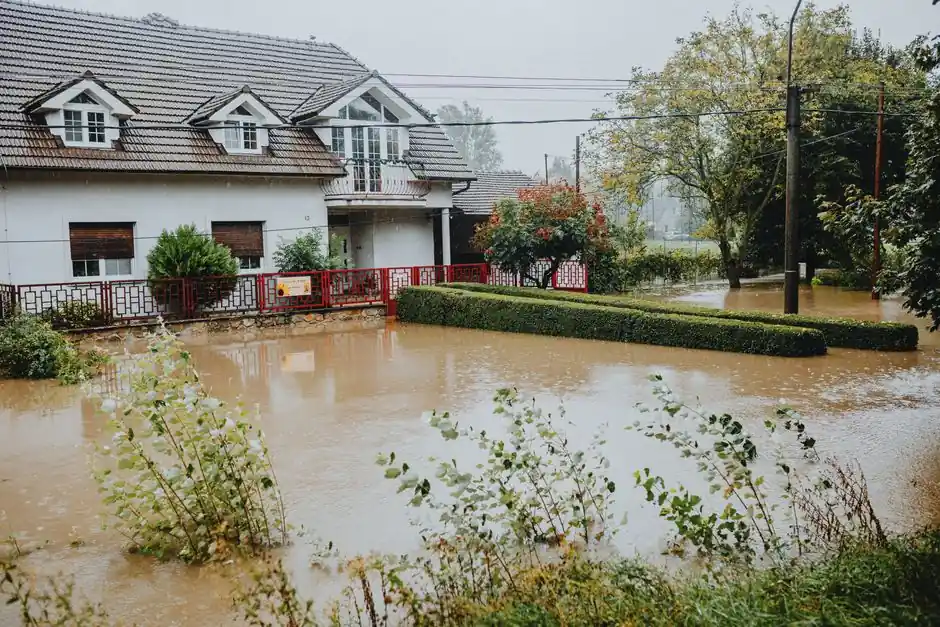
A suburban house surrounded by floodwaters after heavy rain, showing impact of natural disaster.
Our track record
Our track record

What We See on Rutland Street Area Jobs

Six years of local water work

Since 2020 we have completed more than 1,400 water jobs across Opa Locka, and a large share of them sit inside Rutland Street Area. The pattern is consistent. Roughly 60 percent are plumbing failures: slab leaks, pipe bursts, supply line failures and toilet overflows in homes built before 1980. The other 40 percent come from storm flooding and roof leaks during the wet months. Our water damage cleanup services Rutland Street Area customers call for most often involve crawl space drying, because that is where these homes hold moisture longest. We track drying times, and most single-family jobs here reach normal readings in three to five days with proper air movement.

1,400+
water jobs completed

Local questions

How much does Water Damage Restoration cost in Rutland Street Area FL?

Most jobs run $180 to $450 for small clean-water losses and $1,200 to $3,500 for crawl space drying or storm flooding. Whole-home damage with structural repairs can exceed $6,000. Water category, square footage and how much material has to be removed drive the number. We give you the figure before work starts.

Who is the best Water Damage Restoration in Rutland Street Area?

The best crew is the one that shows up fast, measures moisture instead of guessing, and documents the drying. We have worked these blocks since 2020, hold IICRC WRT and ASD certifications, and use a moisture meter and thermal imaging camera on every job. Ask any contractor you call how they prove a structure is dry.

Is there 24/7 Water Damage Restoration in Rutland Street Area Florida?

Yes. Our line stays open around the clock for pipe bursts, roof leaks, sewage backup and storm flooding. Overnight calls are common here because plumbing failures do not wait for morning. Call (833) 321-7153 and we will tell you exactly when a crew reaches your street.

Licensed and insured

Licensed, Certified and Accountable

Water damage work in Rutland Street Area involves structural drying, mold remediation and sometimes sewage cleanup, and each of those carries its own requirements in Florida. Our technicians hold IICRC WRT and IICRC ASD certifications for water restoration and structural drying, plus IICRC AMRT training for microbial work. We carry Florida Mold Assessor License (MRSA) and Florida Mold Remediator License (MRSR) credentials, and we follow EPA Lead-Safe Certification practice on older homes that may contain lead paint.

Florida Mold Remediator License (MRSR)
Florida Mold Assessor License (MRSA)
IICRC WRT (Water Restoration Technician) IICRC
When To Call

Signs You Need Water Damage Restoration in Rutland Street Area

Some water damage announces itself with a puddle. Most of it does not. In Rutland Street Area homes, the warning signs are usually quieter: a musty smell in the hallway, a soft spot near the bathroom door, or a water bill that jumped for no reason. If you are searching for Water Damage Restoration in Rutland Street Area near me because something feels off, these are the signals worth acting on.

1. A musty smell that will not go away

That smell is usually mold starting in a crawl space or behind drywall. In this climate it can establish within 48 to 72 hours of a leak, and it will keep spreading until the moisture source is dried out.

2. Soft or spongy spots in the floor

Subflooring that gives underfoot has been wet for a while. In older Rutland Street Area homes, this often traces to a slow supply line failure or a toilet overflow that soaked through vinyl and never fully dried.

3. Water stains spreading on the ceiling

A ceiling stain means water is traveling from above, usually a roof leak or an upstairs bathroom. The stain is the visible part; the joists and insulation above it are usually wet too.

4. A water bill that jumped unexpectedly

A slab leak or a supply line failure can run for weeks before it shows. If your usage climbed and nothing changed at home, a leak is the most likely cause and it needs to be found fast.

5. Persistent dampness in the crawl space

Crawl space moisture under these homes feeds mold and rots wood framing. If the space smells earthy or you see condensation on the joists, it needs drying and a dehumidifier before the damage spreads.

Local Problem Patterns

Common Water Damage Problems in Rutland Street Area

The problems we see here come from three things: the age of the housing, the tropical climate, and the drainage capacity of the neighborhood. Rutland Street Area gets heavy rain in short bursts, and the older homes were not built for that volume. Add aging infrastructure and plumbing, and you get recurring water damage that shows up in the same places year after year.

Slab leaks and pipe bursts in older homes

Why it happens here

Many homes here still have original galvanized or early copper lines that corrode from the inside. A slab leak can run for weeks under the foundation before it surfaces as a warm spot or a spike in the water bill.

Our approach

We locate the source, dry the affected structure, and use a moisture meter to confirm the slab and subflooring are dry. We replace saturated thermal insulation and check the adjacent rooms for hidden spread.

Storm flooding along the NW 33rd Avenue area

Why it happens here

Heavy rains overwhelm the local drainage, and water pools against foundations and enters at door thresholds and garage slabs. The NW 33rd Avenue area takes the worst of it because of how the streets drain.

Our approach

We extract standing water first, then set air movers and dehumidifiers to dry the structure. A thermal imaging camera check of the wall cavities catches moisture the eye misses.

Crawl space moisture and attic mold growth

Why it happens here

Warm, humid air trapped under a house or in an attic creates ideal conditions for mold. Poor ventilation in older construction makes it worse, and once mold starts it spreads through the framing.

Our approach

We treat affected surfaces with antimicrobial solution, run air scrubber filters during the work, and set dehumidification to keep the space dry. Our crew holds IICRC AMRT training for microbial work.

Sewage backup from root intrusion

Why it happens here

Mature trees around Rutland Street Park send roots into older sewer lines, and the lines themselves have aged. When they back up, category 3 water enters the home and contaminates everything it touches.

Our approach

We treat it as a hazard, remove contaminated materials, disinfect with antimicrobial solution, and dry the area with air scrubber filters running to protect air quality during the job.

Local Pricing

What Water Damage Restoration Costs in Rutland Street Area

Typical 2026 pricing in this area runs $180 to $450 for a small job like a toilet overflow or appliance leak, and $1,200 to $3,500 for a larger job involving crawl space drying or storm flooding. Whole-home water damage with structural repairs can push past $6,000. Most single-family jobs in Rutland Street Area finish in three to five days of drying. We give you a clear number before work starts, and we tell you what the drying equipment will cost per day so there are no surprises.

Availability in Rutland Street Area: We answer the phone 24 hours a day, every day, for water emergencies in Rutland Street Area. Overnight and weekend calls are common here because plumbing failures do not wait for morning. If you call during a storm, expect a slightly longer arrival window as we work through the queue, but we will tell you honestly when a crew will reach you.

1

Water category and contamination

Clean water from a supply line costs less to handle than sewage backup or storm water, which requires removal of contaminated materials and full disinfection. Category 3 water in a Rutland Street Area home usually adds 20 to 40 percent to the job.

2

Size of the affected area

A single bathroom is a different job than a hallway, kitchen and crawl space together. Square footage drives how many air movers and dehumidifiers we set, and equipment days are the biggest variable in the bill.

3

Materials that cannot be saved

Saturated drywall, baseboards and thermal insulation come out. Older Rutland Street Area homes often have more of these materials in the wet zone, which raises removal and replacement costs.

Year-Round Coverage

How Seasons Affect Water Damage in Rutland Street Area

Rutland Street Area has two water seasons, not four. The wet months bring storm flooding and roof leaks, and the dry months bring plumbing failures that were building quietly all year. Knowing which season you are in tells you what to watch for.

Spring

Spring rains start the storm season here, and the NW 147th Street corridor sees its first flooding calls. Roof leaks from winter wear show up now, and crawl spaces begin holding moisture again.

Tip

Check your roof flashing and clear gutters before the first heavy rain. If you see a ceiling stain, call before the next storm.

Summer

This is the busiest stretch for water damage in Rutland Street Area. Afternoon downpours flood low-lying streets, and AC condensate lines and supply lines fail under the heat. Attic mold growth climbs fast.

Tip

Watch for musty smells in the attic and crawl space. If your AC drain line clogs, clear it before it soaks the ceiling below.

Fall

The rain eases but the damage from summer shows up. Slow leaks that started in July surface as soft floors and spreading ceiling stains. This is when we get the most hidden-moisture calls.

Tip

Walk your home after the first cool week and check under sinks and around the water heater for corrosion or damp spots.

Winter

Winter here is mild, but the dry months are when plumbing failures surface. Older pipes under stress crack, and water heater failures are common. Fewer storm calls mean faster response times.

Tip

Have your water heater and supply lines checked. A slow leak found in winter is far cheaper than a burst pipe found in spring.

Hiring Smart

Questions to Ask Before Hiring a Rutland Street Area Water Damage Crew

Not every crew that answers the phone is set up to dry a Rutland Street Area home properly. The right questions separate a contractor who will document the job and dry it fully from one who will pull the water and leave while the walls are still wet.

  1. 1

    "Are you licensed and insured in Florida?"

    Why it matters

    Water damage work involves structural drying and often mold remediation, both of which carry state requirements. A licensed, insured contractor protects you if something goes wrong on the job.

  2. 2

    "How do you measure whether the structure is actually dry?"

    Why it matters

    A crew that relies on touch will leave moisture behind. Ask whether they use a moisture meter, hygrometer and thermal imaging camera, and whether they log readings daily.

  3. 3

    "Do you follow IICRC drying standards?"

    Why it matters

    The IICRC S500 standard sets how drying is measured and documented. A contractor who follows it can show you the readings that prove the job is complete.

  4. 4

    "Can you handle mold if you find it?"

    Why it matters

    Mold is common in Rutland Street Area crawl spaces and attics. A crew with Florida Mold Remediator License (MRSR) credentials can treat it in the same job instead of sending you to another contractor.

  5. 5

    "What will this cost, and what drives the price?"

    Why it matters

    Equipment days, water category and the amount of material that has to come out are the main cost drivers. A clear answer before work starts tells you the contractor is being straight with you.

Knowing the Area

Landmarks We Use to Navigate Rutland Street Area

Rutland Street Area is easy to work once you know the anchors. We orient every call off Rutland Street Park and the Opa-locka Community Center, then route through the NW 147th Street corridor to reach the residential blocks. Miami-Dade Fire Rescue Station 35 is a useful reference point for the northern streets, and North Dade Health Center helps us place addresses near the busier edge of the neighborhood. Knowing these landmarks means we are not circling while your floor is wet.

Landmarks

  • Rutland Street Park

    A central anchor for the residential blocks around it. Many of our calls come from homes within a few streets of the park, so it is our main orientation point.

  • Opa-locka Community Center

    Marks the denser edge of the neighborhood where multifamily buildings and shared walls make water spread faster. We plan equipment loads around access here.

  • Miami-Dade Fire Rescue Station 35

    A reliable reference for the northern streets. It also helps us coordinate when a water emergency involves a safety concern.

Commercial Districts

  • NW 147th Street corridor businesses

    Small shops and service businesses along the corridor deal with roof leaks and restroom supply failures. We handle after-hours calls so they can reopen the next morning.

  • Rutland Street Park-adjacent commercial strip

    A handful of small retail and food businesses here need fast water extraction to avoid losing a day of trade. We prioritize these calls during storm season.

Transport & Access

  • NW 33rd Avenue

    A main north-south route through the area. Direct access makes it one of the fastest ways for our trucks to reach the neighborhood.

  • NW 147th Street

    The east-west corridor we use to move between Rutland Street North and South without cutting through residential blocks.

Service Area

Water Damage Restoration Coverage Across Rutland Street Area & Miami-Dade County

Routine and same-week appointments for residents and businesses across Miami-Dade County, including the ZIP codes below.

33054
!

Water Damage Restoration in Rutland Street Area, Starting Now

Water spreads fast, and the first hour matters most. If you have standing water, a musty smell, or a ceiling stain that was not there yesterday, call us. We serve Rutland Street Area around the clock and we will tell you exactly when a crew reaches your street.

Call now
Call Now: (833) 321-7153